Connections Between Secure Transfer Protocols and Eligibility for Reel-Based Promotions in Smartphone Casino Ecosystems
Morgan Berger · Nov 9, 2026
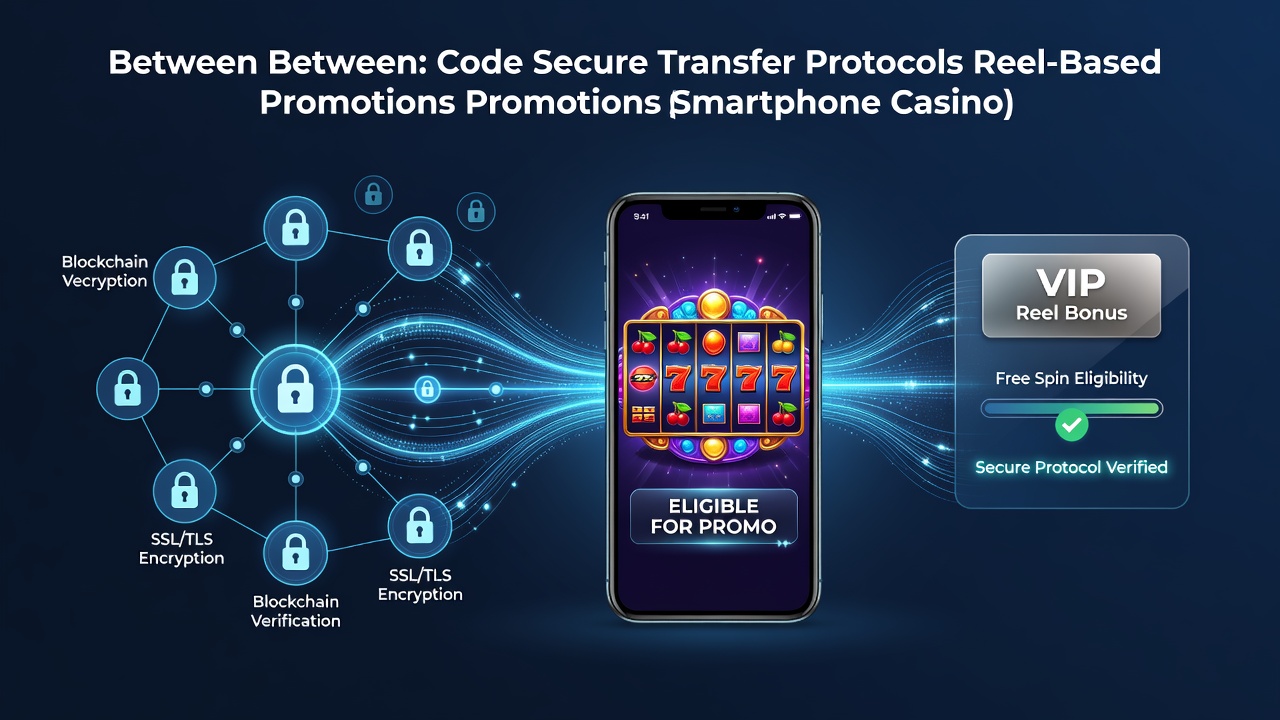
Connections Between Secure Transfer Protocols and Eligibility for Reel-Based Promotions in Smartphone Casino Ecosystems
Secure transfer protocols form the backbone of transaction verification in smartphone casino platforms, directly shaping user access to reel-based promotions such as free spins and bonus rounds on slot games. These protocols include encryption standards like TLS 1.3 alongside tokenization methods that protect payment data during mobile transfers, and operators apply them to confirm transaction legitimacy before releasing promotional credits.
Protocol Standards in Mobile Gaming Transactions
Smartphone casino systems rely on layered security measures where each transfer undergoes authentication checks through secure sockets and certificate validation, which prevents unauthorized access and ensures that only verified funds contribute to eligibility pools for reel promotions. Data from transaction logs shows that platforms using end-to-end encryption experience fewer disputes over bonus qualification since every step of the payment process leaves an auditable trail that meets compliance thresholds set by various regulatory bodies.
Observers note that regional variations exist in how these protocols integrate with promotion engines, yet the core mechanism remains consistent across ecosystems because mismatched security levels often trigger automated holds on reward distribution. For instance, when a transfer completes without full protocol compliance, the system flags the account and blocks reel-based offers until manual review clears the activity.
Eligibility Pathways for Reel Promotions
Reel-based promotions in mobile casino environments typically require users to complete qualifying deposits or wagers through approved channels, and secure transfer protocols serve as the gatekeepers that validate those actions. Research indicates that accounts utilizing multi-factor authenticated transfers receive faster activation of spin bonuses because the platform can instantly cross-reference the transaction against security criteria without additional delays.

Studies from industry reports reveal that eligibility often hinges on protocol compliance metrics such as encryption strength and origin verification, which means users who initiate transfers through less secure methods frequently find their promotions suspended until the issue resolves. This connection becomes especially clear during peak periods when volume increases the need for rapid, reliable checks to maintain fair distribution of reel rewards.
Regulatory Influences on Security and Rewards
Regulatory frameworks across multiple jurisdictions emphasize secure transfer requirements as prerequisites for any promotional activity, and operators align their systems accordingly to avoid penalties that could disrupt reel promotion schedules. According to the Government of Canada financial guidelines, certified encryption protocols must underpin all electronic gaming transactions to protect consumer funds and maintain operational integrity.
What's interesting is how these rules extend to eligibility tracking, where non-compliant transfers automatically disqualify accounts from sequential reward cycles in virtual reel environments. European data from the European Gaming and Betting Association further shows that platforms adopting updated protocol versions by late 2025 reported smoother bonus processing rates heading into November 2026, when further standard revisions are scheduled to take effect.
Technical Integration and User Verification
Developers integrate secure protocols directly into mobile app architectures so that each reel promotion trigger checks the preceding transfer for protocol adherence before activation occurs. Those who've examined transaction databases note that this automation reduces manual oversight needs while simultaneously creating clear eligibility boundaries based on security scores assigned to each payment.
Case examples from cross-platform deployments demonstrate that users who switch to protocol-compliant wallets often see immediate improvements in promotion access, whereas legacy transfer methods continue to face verification hurdles that delay reel-based rewards. The process relies on real-time certificate exchanges and hash verifications that confirm both the sender and the amount without exposing sensitive details.
Future Protocol Developments
Anticipated updates to encryption frameworks in November 2026 are expected to introduce quantum-resistant algorithms that could further tighten eligibility standards for reel promotions by requiring even higher levels of transfer authentication. Industry observers track these shifts closely because any change in protocol requirements tends to reshape how operators configure their promotion engines to stay compliant while preserving user access.
Conclusion
Secure transfer protocols and reel-based promotion eligibility remain tightly linked through verification processes that prioritize data integrity and regulatory alignment in smartphone casino ecosystems. Operators continue to refine these connections as new standards emerge, ensuring that transaction security directly supports fair and timely distribution of mobile reel rewards across global platforms.