Decoding synchronization patterns between multi-currency transfers and sequential reward accumulations during virtual table sessions on handheld devices
Clara Coleman · Sep 14, 2026

Decoding synchronization patterns between multi-currency transfers and sequential reward accumulations during virtual table sessions on handheld devices
Data from mobile gaming platforms shows that synchronization between multi-currency transfers and sequential reward accumulations relies on real-time API calls that align transaction ledgers with session-based point systems, and these processes operate through layered protocols that update every few seconds during active play on handheld devices.
Core mechanisms of multi-currency handling in virtual table environments
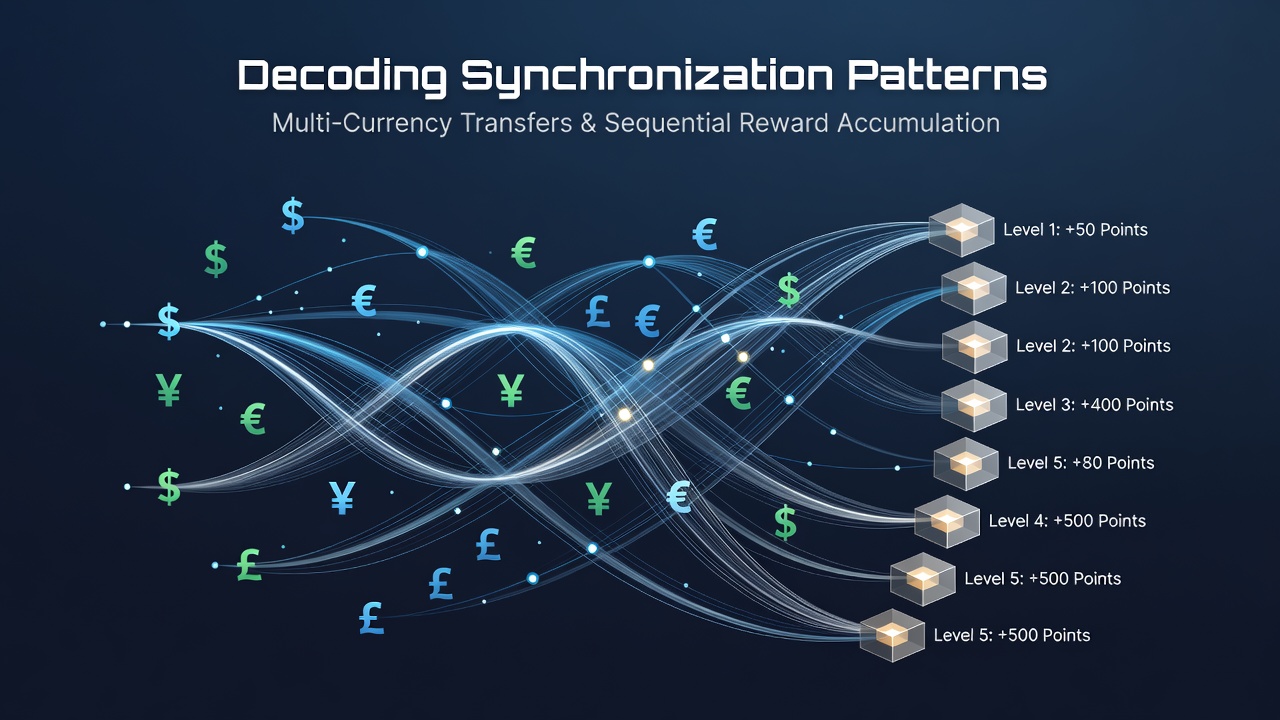
Virtual table sessions on handheld devices process transfers across currencies such as euros, US dollars, and select digital assets through conversion engines that apply live exchange rates at the moment of deposit or withdrawal, while the same engines feed adjusted values directly into reward tracking modules so that accumulated points reflect the converted amounts without lag. Researchers at institutions studying digital transaction flows have documented how these engines maintain separate queues for each currency type yet merge them into a unified reward pool once conversion completes, and this merging step occurs through timestamped packets that prevent duplication or loss during rapid sequential plays.
Platforms record each transfer event with a unique identifier that links back to the originating session, which allows reward algorithms to sequence accumulations in the exact order of completed transfers rather than in the order of player actions, and this sequencing becomes critical when users switch between table variants within a single sitting on a mobile app.
Sequential reward accumulation and timing coordination
Sequential reward systems increment points after every qualifying action such as a completed hand or round, yet they only finalize the addition once the linked currency transfer has cleared the initial verification stage, and observers note that this creates a dependency chain where delayed transfers can pause reward updates until resolution. In September 2026 industry reports highlighted increased use of predictive buffering that pre-allocates estimated points based on pending transfers, allowing the display to update immediately while the backend confirms the actual values moments later.
Technical patterns observed across handheld sessions
Handheld devices introduce additional variables because network conditions fluctuate during play, and synchronization protocols compensate by sending heartbeat signals every 15 seconds that recheck the status of both currency transfers and reward tallies, then reconcile any mismatches before the next table round begins. Studies from academic groups examining mobile transaction integrity have found that these heartbeats reduce desync incidents by routing updates through redundant pathways when primary connections weaken, and the result is that reward accumulations remain consistent even when a player moves between Wi-Fi and mobile data mid-session.
One documented pattern involves batching small sequential rewards into larger updates at fixed intervals, which reduces the number of server calls while preserving the order of accumulation, and this batching works in tandem with currency conversion queues so that the final point total matches the net transferred value across all involved currencies.
Integration challenges and observed solutions
Cross-border players often trigger more complex synchronization because their accounts hold multiple base currencies, and platforms address this by maintaining a master ledger that converts all activity to a single reference unit for reward calculation before converting back for display, while Canadian Gaming Association data indicates that such master ledgers have lowered mismatch rates in multi-currency environments since their wider adoption. Another approach uses event-driven triggers that fire reward updates only after currency transfer confirmation arrives, which eliminates partial accumulations but can introduce brief pauses visible on the handheld interface.
Those who analyze session logs report that peak synchronization loads occur during evening hours when multiple table sessions run concurrently, and systems counter this through load-balanced servers that prioritize active reward sequences over less time-sensitive transfer confirmations.
Conclusion
The interplay between multi-currency transfers and sequential reward accumulations on handheld devices continues to evolve through refined protocols that prioritize order accuracy and real-time consistency, and ongoing monitoring by regulatory bodies alongside research institutions provides the data needed to refine these systems further as usage patterns shift.